
My Favorite Moments from Episode 244 "Who Signs When the AI Is Wrong?"
💬 Eighteen lines worth keeping from TRXL 244, the last episode of Arc 2. Thirteen voices on who signs when the AI is wrong, how much checking is enough, and what happens to the people coming up.
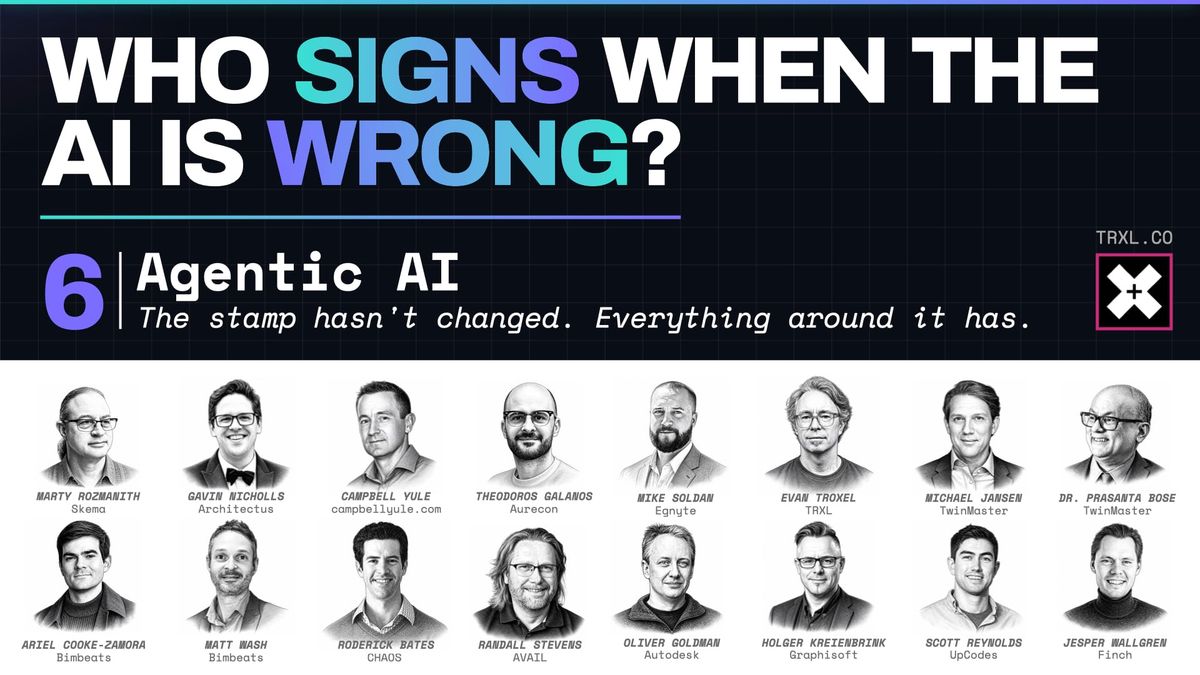
Every episode of this series, I go back through the full conversation and pull the lines I don't want you to miss. Here are 18 of them from Episode 244, “Who Signs When the AI Is Wrong?” Each one has who said it and a timestamp if you want to hear it in context.
On liability
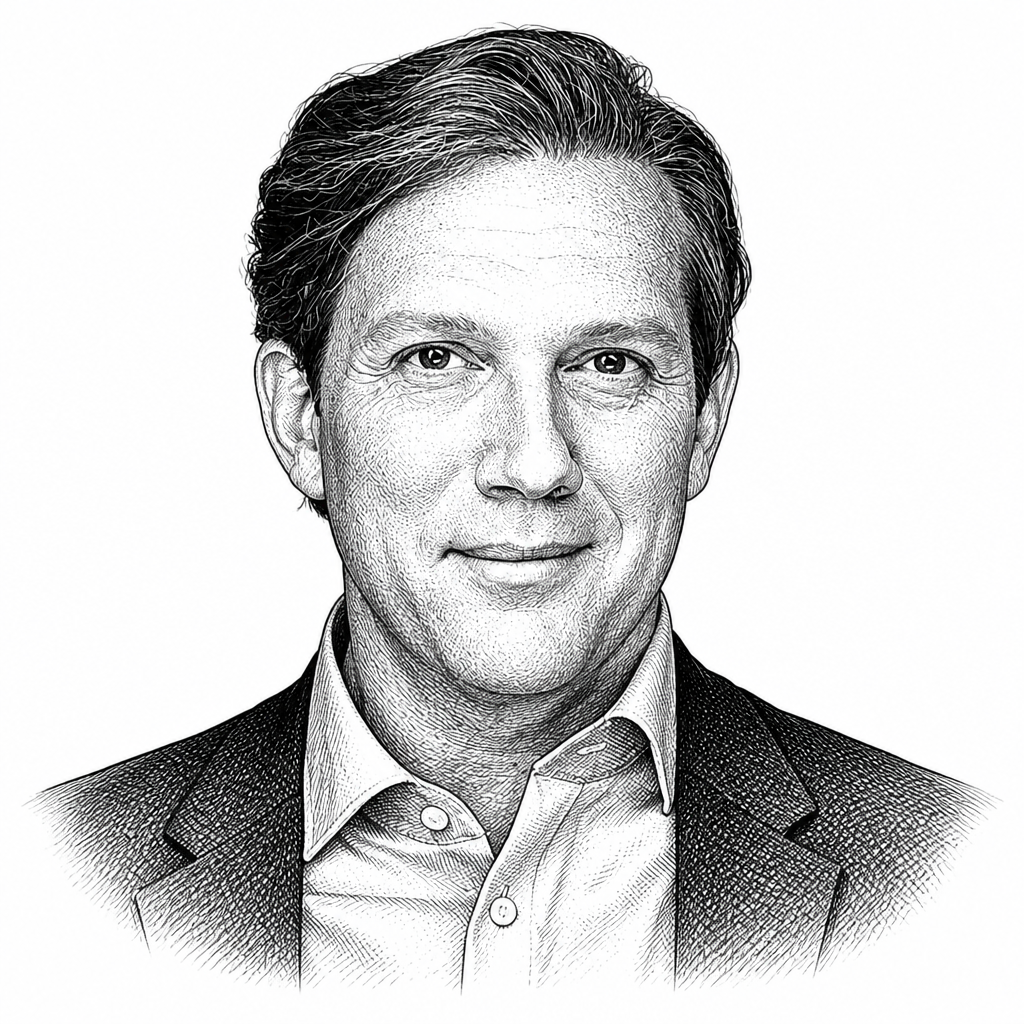 | “Arch-e is not a licensed architect, didn't go through the NCARB process, and doesn't sign drawings. So how do we make sure that there's a human being, a project designer in charge, who is responsible in the end for what happens and maintains control?” Michael Jansen, TwinMaster · ▶ 0:51:00 |
 | “With any AI workflow integrated into architecture and engineering, at the end of the day, it's going to be someone's professional stamp on the piece of paper… it's going to be the person with the stamp that's going to be held liable.” Ariel Cooke-Zamora, Bimbeats · ▶ 0:11:20 |
 | “Ultimately, I'm responsible for the products that I deliver. I'm accountable for those, and it doesn't matter what tools I use or how good they are or they aren't, I still carry that accountability.” Oliver Goldman, Autodesk · ▶ 0:16:53 |
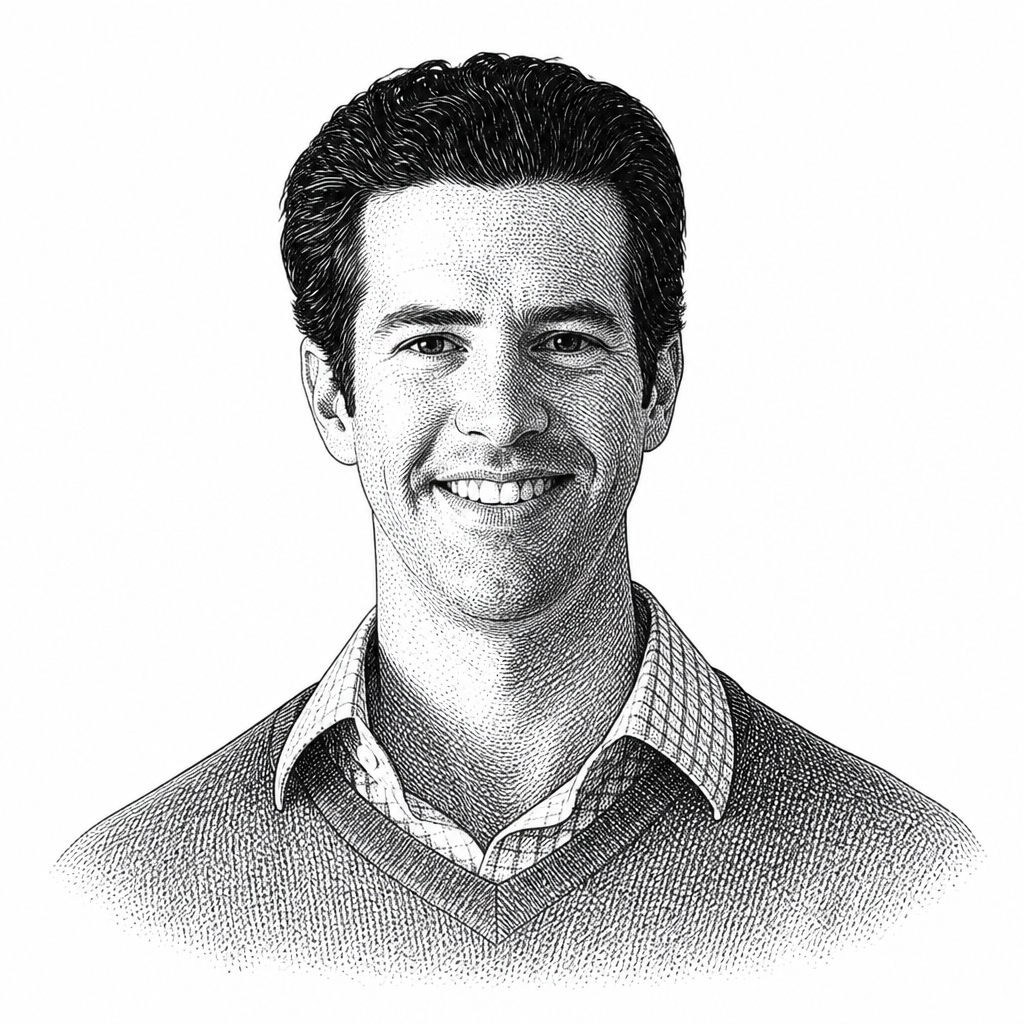 | “You're still going to have to have humans in the loop, at least for the very purpose of absorbing liability… Somewhere there has to be a person who is going to have a disincentive to do things poorly, and a machine won't. AI doesn't care. It may seem very human, but it does not care.” Roderick Bates, Chaos · ▶ 1:58:31 |
On how much to trust the output
 | “Hallucination is starting to disappear. The models are good enough… Inaccuracy based on poorly structured data and poorly accessed data is a bigger problem.” Mike Soldan, Egnyte · ▶ 0:03:52 |
 | “As soon as you've run some automation tool across your whole [project], somebody's probably going to need to go say, “I now need to go look at every piece of data,” unless you can automatically check it somehow. Now I've got more work to do. You just created more work, not less work.” Randall Stevens, AVAIL · ▶ 0:09:51 |
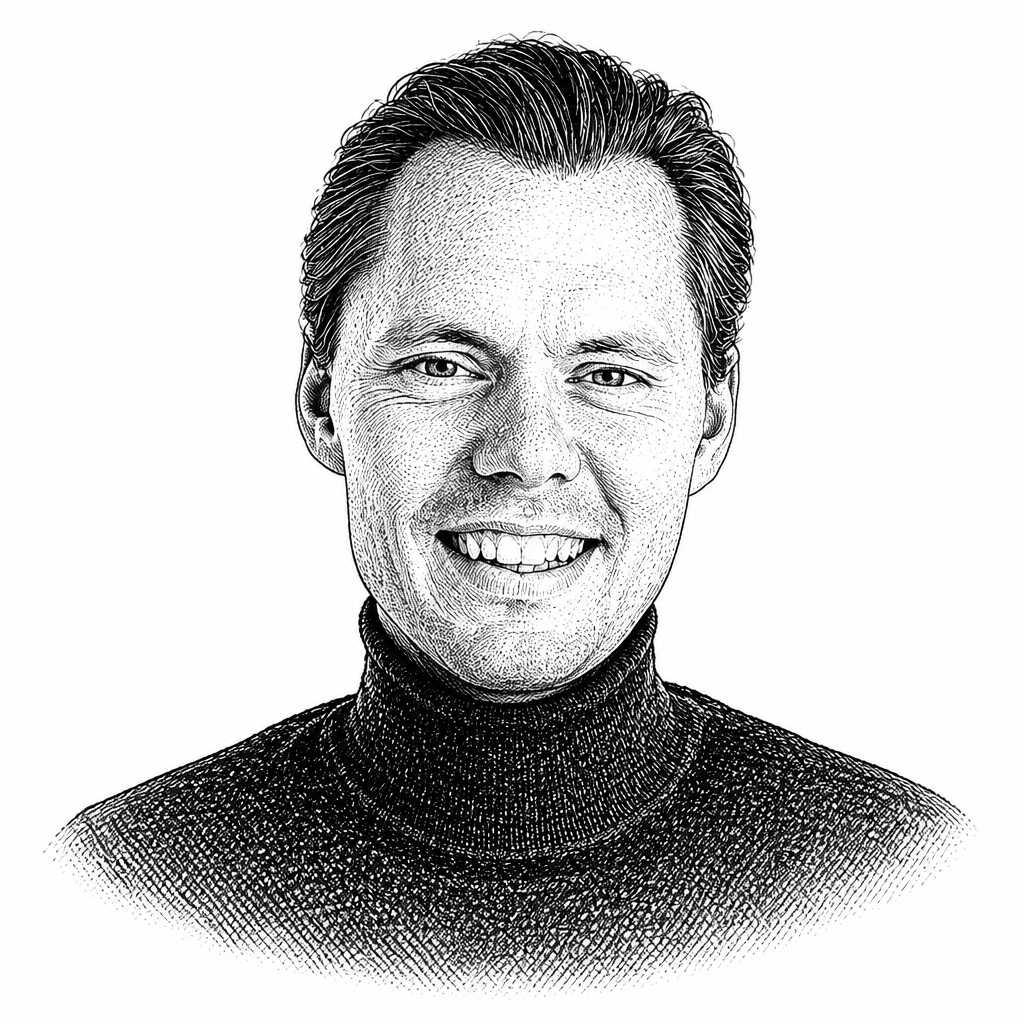 | “The AI is great at finding things, but it's not 100% sure. It's just like if you had asked Claude about your Excel file and it calculates things wrong and misses things. That's the current state of AI.” Jesper Wallgren, Finch · ▶ 0:29:14 |
| “If you had an intern that did this, and you said, “No, you did this wrong, let me show you,” and they said, “Okay, got it,” and then you gave them a new project and they did the same thing wrong again, I think that person might be packing up their desk. And yet with AI, you say, “Well, I'll give it a pass.”” Roderick Bates, Chaos · ▶ 0:36:30 |
 | “I guess people will check it one time, three times, five times, 10 times, and then check it less and less and less, and being more confident that what the AI has created is okay with them. I guess that's where we're going.” Holger Kreienbrink, Graphisoft · ▶ 0:44:04 |
On what the tools catch, and what nobody has measured
 | “Does it catch every mistake? No, it is not 100% coverage and replacement of a plan review. Not at all. It is very much that second set of eyes over your shoulder.” Scott Reynolds, UpCodes · ▶ 0:54:23 |
 | “We're very strict teachers against AI. I don't know if we are as strict on ourselves… Okay, you can do it 93%. Oh, that's not enough, because I need 99. Are we 99? Do we know that?” Theodoros Galanos, Aurecon · ▶ 0:58:09 |
On how AI is affecting practice
| On who you need to hire: “Someone who knows how to check. And there we come to the problem again. The juniors, will they be able to check it in 20 years?… You need to understand the logic of building to check what the computer and the AI does in the end.” Holger Kreienbrink, Graphisoft · ▶ 1:00:41 |
 | On where architects add value: “I went to the viewing [of a new property] and I stood on the street and I thought, “This doesn't have a nice feel.” Straight away I knew there was no way the AI was ever going to tell me what it felt like to be in that space.” Matt Wash, Bimbeats · ▶ 1:24:00 |
| On blind trust: “There is AI brain rot. And I think there's a temptation of people to outsource a lot of the critical thinking to AI systems. And I think that's when you're using it in a detrimental way.” Scott Reynolds, UpCodes · ▶ 1:29:50 |
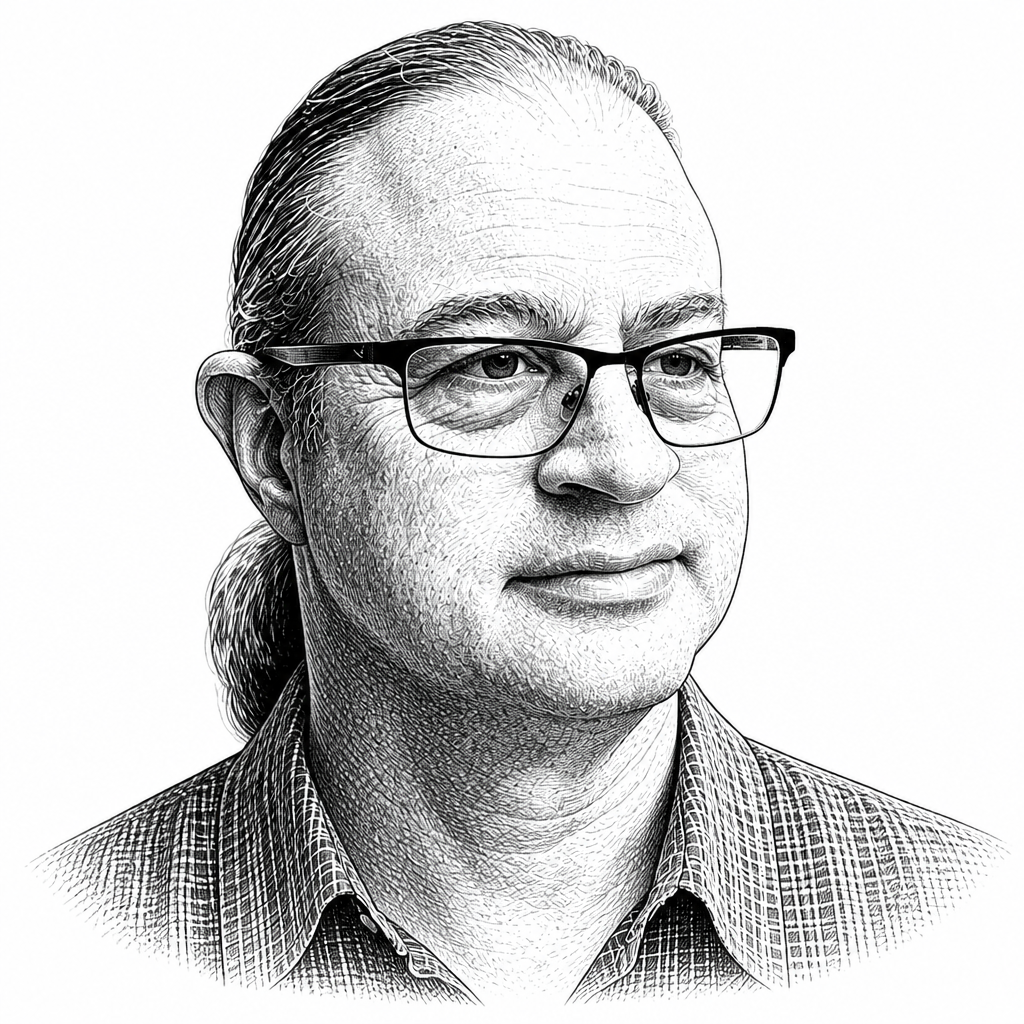 | On the transition from CAD to BIM: “In a way, back in the day, it was a raising of the bar, which I think took a little while for the profession to overcome. So if there's a lowering of the bar now, maybe it's about time.” Marty Rozmanith, Skema · ▶ 1:38:50 |
On fees, jobs, and what comes next
| “As programmers, we've gotten enormously more productive, and yet the number of jobs in the field has just continued to increase. Why? Because it turns out that if it takes fewer people to produce one piece of software, what the world wants is more [...] software.” Oliver Goldman, Autodesk · ▶ 1:12:21 |
 | “If you're charging out on an hourly rate, and your work that previously used to take you 100 hours now takes you 70 because AI has helped you out, maybe you can increase your hourly rate by a little bit because you're using some technology… you've sort of given away that productivity gain to the client.” Campbell Yule, campbellyule.com · ▶ 2:23:20 |
| “What I tell firms to focus on is automate your margin savers. A lot of firms are chasing the revenue multipliers and the top line multipliers, but I think it's a much sexier conversation to talk about where is there waste in your firm.” Mike Soldan, Egnyte · ▶ 2:13:07 |
| This series brought to you by | |
 |
Graitec provides AEC software, training, and expert support to help architects, engineers, and construction teams design, build, and manage projects more effectively. |
| With support from | |
 |
AVAIL's content management system (CMS) helps architecture and engineering teams find, manage, and reuse their Revit, AutoCAD, Civil 3D, and other technical content in one place. |
😎
Win a pair of Ray-Ban Meta Smart Glasses, courtesy of series partner Graitec. Enter the giveaway. (Entering shares your contact info with Graitec.)
That's a lot of ground. The full conversation is at trxl.co/244 if any of these made you want the rest.